At Foot & Ankle Centers, Dr. Rappette and Dr. Pandya often remind patients that foot care is not a one size fits all routine. The needs of your feet shift throughout the year, and what works in the summer may contribute to problems in the winter. Understanding these seasonal differences can help prevent pain, infection, and long-term complications.
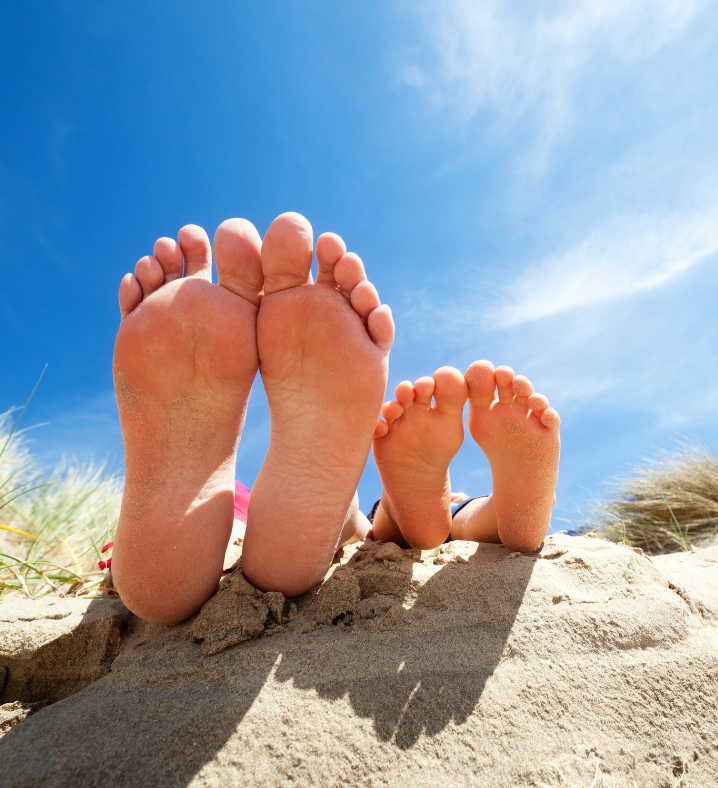
During the summer months, feet are more exposed to heat, moisture, and environmental elements. Sandals, flip flops, and going barefoot are more common, which leaves the skin vulnerable to dryness, cracks, and injury. Increased sweating also creates the perfect environment for fungal infections such as athlete’s foot. Pools, locker rooms, and public showers further increase that risk. To maintain healthy feet in the summer, it becomes essential to keep the skin clean and dry, choose breathable footwear, and apply sunscreen to prevent sunburn on the tops of the feet, which people often forget.
Sun exposure also brings an important but often overlooked concern: skin cancer, including melanoma, can develop on the feet. Melanoma may appear on the tops of the feet, soles, between the toes, or even under the toenails. Because these areas are frequently missed during routine checks or not protected with sunscreen, early signs can go unnoticed. Patients should look for dark or irregular spots, streaks under the nail, or any mole that changes in size, shape, or color. Early detection is critical, making regular self-examinations especially important during months when feet are more visible.
In contrast, winter introduces an entirely different set of challenges. Cold weather leads to dry skin due to lower humidity levels, and thick socks combined with enclosed shoes or boots can trap moisture. This combination can cause issues such as cracked heels, irritation, or even fungal growth if feet are not kept properly dry. Circulation may also be reduced in colder temperatures, leading to numbness or discomfort, especially in individuals with underlying conditions like diabetes or vascular disease. Hydration and moisturizing become much more important during winter, especially for preventing painful fissures in the heels.
While melanoma is often associated with sun exposure, it is important to remember that it is not limited to summer. In fact, melanoma on the feet is sometimes diagnosed later because it is hidden in shoes and socks during colder months. This makes year-round self-examination essential. Checking the soles, between toes, and under the nails during winter can help identify suspicious changes early, even when the feet are not regularly visible.
Footwear choices also change significantly between seasons, and they have a major impact on foot health. In summer, unsupportive sandals often lead to heel pain or arch strain because they lack stability and cushioning. Patients commonly visit Dr. Rappette and Dr. Pandya with flare ups of plantar fasciitis during warmer months due to poor footwear choices. In winter, boots may provide more coverage, but they can also be restrictive or improperly fitted. Tight footwear can lead to ingrown toenails, corns, or circulation issues. Proper shoe fit and support should be prioritized year-round, regardless of style.
Another key difference lies in nail and skin care habits. During summer, people tend to get more frequent pedicures or trim their nails more often due to increased visibility. While this can help maintain grooming, improper trimming techniques or unsanitary salon environments can increase the risk of infection. In winter, feet are often neglected because they are hidden in socks and shoes. This can allow problems like thickened nails, fungal infections, or unnoticed wounds to worsen over time. Consistent self-inspection is important in every season, especially for patients with diabetes. It is also an opportunity to check for unusual pigmentation or nail discoloration that could signal more serious conditions like melanoma.
Activity levels also play a role in how feet should be cared for. Summer typically brings more outdoor activities such as walking, running, or sports, which increase stress on the feet and ankles. Stretching routines and proper recovery become essential to prevent overuse injuries. In winter, people may become less active or switch to indoor exercises, but icy conditions outdoors can raise the risk of slips and falls. Footwear with good traction and ankle support becomes especially important during colder months.
At Foot & Ankle Centers, Dr. Rappette and Dr. Pandya emphasize that prevention is always easier than treatment. A simple seasonal adjustment to your foot care routine can make a significant difference in comfort and overall health. Paying attention to moisture levels, choosing appropriate footwear, using sun protection, and routinely checking your feet for any changes, including unusual spots or discoloration, are small habits that go a long way.
If you notice persistent pain, skin changes, nail discoloration, or any suspicious lesions on your feet at any time of year, it is important to seek a professional evaluation by Dr. Rappette or Dr. Pandya. Your feet support you every day, and giving them the right care in both summer and winter helps keep you active, comfortable, and healthy year-round.
To schedule an appointment with Dr. Rappette or Dr. Pandya, call our office at 630-553-9300 or 815-942-9050.